




Home design trends continue to evolve as homeowners look for ways to make their living spaces more beautiful, comfortable, functional, and environmentally friendly. Today’s interior design is all about creating a balance between style and practicality. From natural materials and warm colors to smart technology and multi functional furniture, modern home design focuses on making every room feel welcoming and personal.
One of the biggest home design trends is warm minimalism. Unlike traditional minimalism, which often features plain white walls and very little decoration, warm minimalism combines simple designs with comfortable textures and natural colors. Shades of beige, cream, soft brown, and warm gray are becoming popular choices. Wooden furniture, cozy rugs, and soft lighting help create a peaceful atmosphere without making a room feel empty.
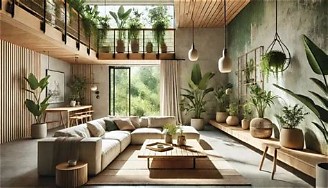
Another popular trend is bringing nature indoors. Natural materials such as wood, stone, bamboo, rattan, and linen are being used in furniture, flooring, and decorative accessories. Large windows, indoor plants, and natural lighting also help connect indoor spaces with the outdoors. This design approach creates a relaxing environment while adding warmth and character to the home.
12
Earthy colors and bold accents are also becoming important in home decorating. While neutral colors remain popular, homeowners are experimenting with terracotta, olive green, deep blue, chocolate brown, and muted mustard. These colors can be introduced through painted walls, accent furniture, decorative pillows, artwork, and curtains. Combining neutral backgrounds with colorful details creates a stylish and balanced appearance.
Kitchen design is also changing. Modern kitchens are becoming more functional and attractive, with large islands, hidden storage, natural stone countertops, and wooden cabinets. Many homeowners prefer open shelving mixed with closed cabinets to display beautiful dishes while keeping everyday clutter out of sight. Energy-efficient appliances and practical layouts make kitchens easier to use.
10
Another growing trend is multifunctional living spaces. As more people work and study from home, rooms need to serve multiple purposes. A guest bedroom can double as a home office, while a living room can include a small reading corner or workspace. Foldable desks, storage benches, convertible sofas, and built-in cabinets help homeowners maximize available space without sacrificing style.
Sustainability is becoming an important part of home design. Many homeowners are choosing furniture made from recycled, reclaimed, or responsibly sourced materials. Energy-efficient lighting, water-saving fixtures, durable flooring, and eco-friendly paints are also popular choices. Sustainable design helps reduce environmental impact while creating healthier living environments.
Smart home technology is another trend shaping modern homes. Automated lighting, smart thermostats, security cameras, and voice-controlled devices make everyday activities more convenient. These technologies allow homeowners to control different aspects of their homes while improving comfort and energy efficiency.
Finally, personalization is becoming more important than following every decorating trend. Homeowners are displaying family photographs, handmade decorations, meaningful artwork, and unique furniture pieces that reflect their personalities.
In conclusion, modern home design trends focus on comfort, functionality, sustainability, and individuality. Whether you are renovating an entire house or simply updating one room, incorporating natural materials, warm colors, smart technology, and practical furniture can transform your home into a beautiful and inviting space. The best home design is ultimately one that reflects your lifestyle and makes you feel happy and comfortable every day.